Field manual · FM-08
Close the hire without a commercial tail
Off-hire succeeds when notice, condition, cleaning, collection and evidence were agreed before dispatch.
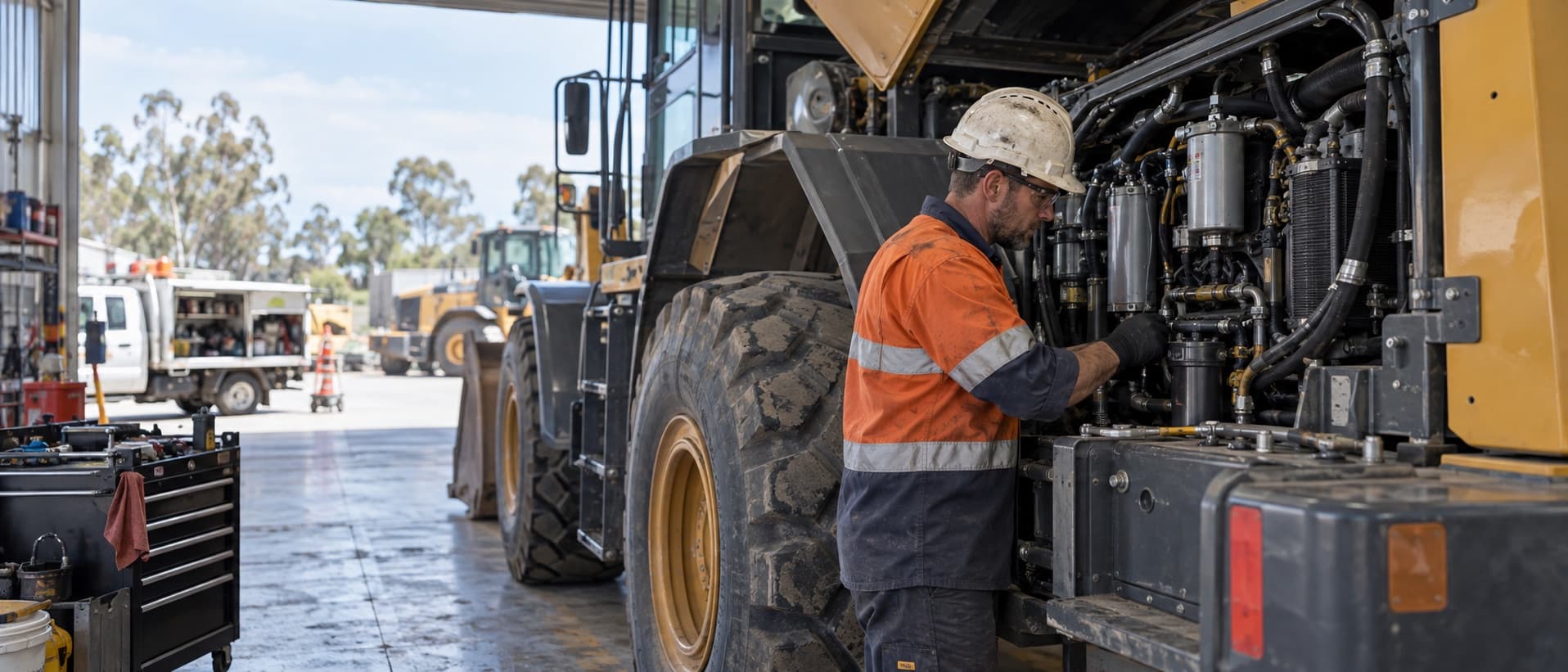
Off-hire succeeds when notice, condition, cleaning, collection and evidence were agreed before dispatch. Use this guide to structure the conversation with suppliers, expose assumptions early and create a record that survives the handover from estimator to site supervisor.
Step 01Trigger the agreed notice
Use the nominated channel and capture time, machine identity, location, hours and collection access. Do not rely on an informal site conversation.
Step 02Create a condition record
Photograph the machine, attachments, fuel, hour meter and known defects after cleaning. Separate fair wear from event damage using dispatch evidence.
Step 03Control collection
Maintain safe access and responsibility until collection. Record pickup time, transporter and any delay outside the agreed collection window.
For each step, record the answer, where the evidence came from, who owns it and the date. If an answer changes the rate, programme or safe work method, take it back to the project team before the machine is dispatched.
ChecklistBefore you confirm the hire
- Written off-hire notice
- Hours and fuel recorded
- Clean condition photographs
- Attachments reconciled
- Collection evidence
ContinueRelated tools and guides
FAQQuestions before dispatch
What should be confirmed in writing with the hire supplier?
Start with the field checks for this guide (written off-hire notice, hours and fuel recorded, clean condition photographs and so on). Then confirm the nominated make, model, configuration, availability, transport, support arrangements and every commercial assumption in the hire agreement.
Is this guide a substitute for engineering or legal advice?
No. It is a procurement and planning framework. Engineering, legal, safety and regulatory decisions must be made by competent people for the actual project and site.
When should this information go to suppliers?
Issue the core inputs before requesting quotes so every supplier prices the same scope. Update them when site conditions change, and carry the agreed assumptions into dispatch and pre-start documents.