Plant productivity · PL-02
Fleet balancing
Prevent loaders, trucks and support plant from waiting on each other.
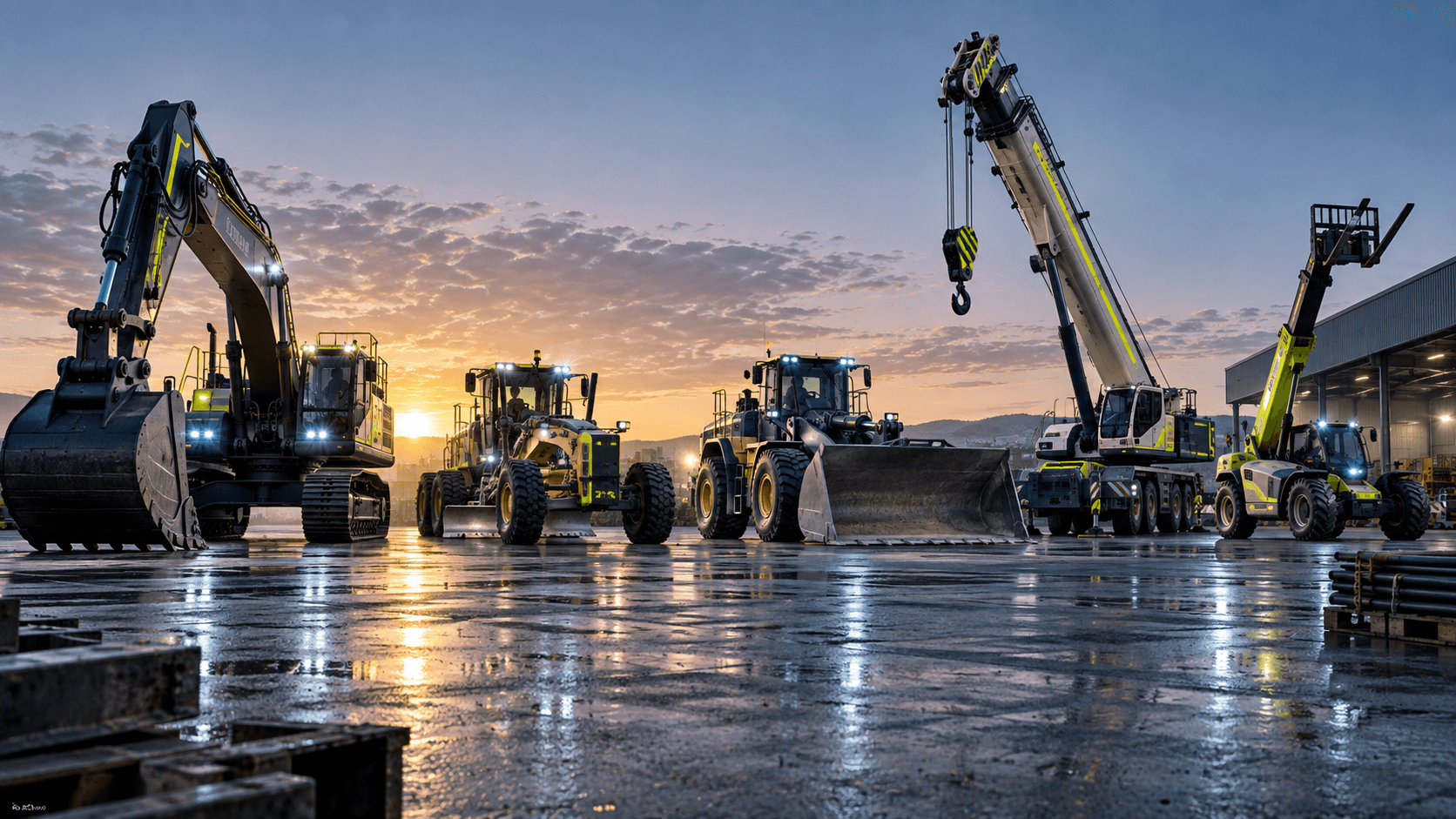
Prevent loaders, trucks and support plant from waiting on each other.
01 · Why it mattersWhat actually decides the outcome
A fleet is only as fast as its slowest interface. If the excavator waits for trucks, loading capacity is wasted. If trucks queue, haul capacity is wasted. Balancing matches the number of haul units to loading output, and matches placement and compaction to the incoming rate.
02 · Before you hireWhat to check
- Loading unit output per hour
- Truck cycle time and payload
- Number of trucks = cycle time ÷ load time
- Placement and compaction rate at the tip face
- Queues at loading and tipping
- Adjust as haul distance changes
03 · Supplier questionsWhat to ask the hire company
- Can truck numbers be flexed day to day?
- What is the minimum call-out per truck?
- Can the loading unit be changed if haul distance grows?
Keeping truck numbers fixed while the haul distance doubles as the cut moves further from the fill.
04 · Put it in writingConfirm the assumptions
Record the nominated machine (make, model and configuration), the attachments, the transport method and the support arrangements in the hire agreement. If any assumption changes on site, the rate, programme or safe work method may change with it. Return it to the project team before the machine is dispatched.